Learning Russian often feels like navigating uncharted territory. Not only do you encounter new words and grammatical structures, but you also reveal different ways of thinking. There is no end to the surprise when you come across expressions that make no sense if translated literally into your native language. Among them, there are some informal phrases that actually express surprise!
Learn and start using them instead of the internationally recognized "wow" if you want to sound like a native.
Number one: "Вот э́то да!"
To understand this phrase better, keep in mind that "да" in Russian is not only "yes", but can also be part of set expressions, each with its own meaning.
"Он вы́учил за день три́дцать но́вых слов. Вот э́то да!" - He learned thirty new words in one day. That's awesome!"
To pronounce it correctly, put the stress on the "да" part and draw out the vowel: "Вот э́то даааа!"
Number two: "Ничего́ себе́!"
"Ничего́ себе́ вопро́с!" - OMG, what a question!
"Ничего́ себе́ ско́лько у тебя́ оде́жды!" - That’s a ton of clothes!
"Ничего́ себе́ как бы́стро ты бе́гаешь!" - Whoa, you run really fast!
It won't help at all trying to translate it literally as "nothing to oneself". In one of my previous posts I talked about how "ничего́" is used as mild praise. In a similar way, together with "себе́" it expresses surprise, although it's practically impossible to single out the meaning of the last part.
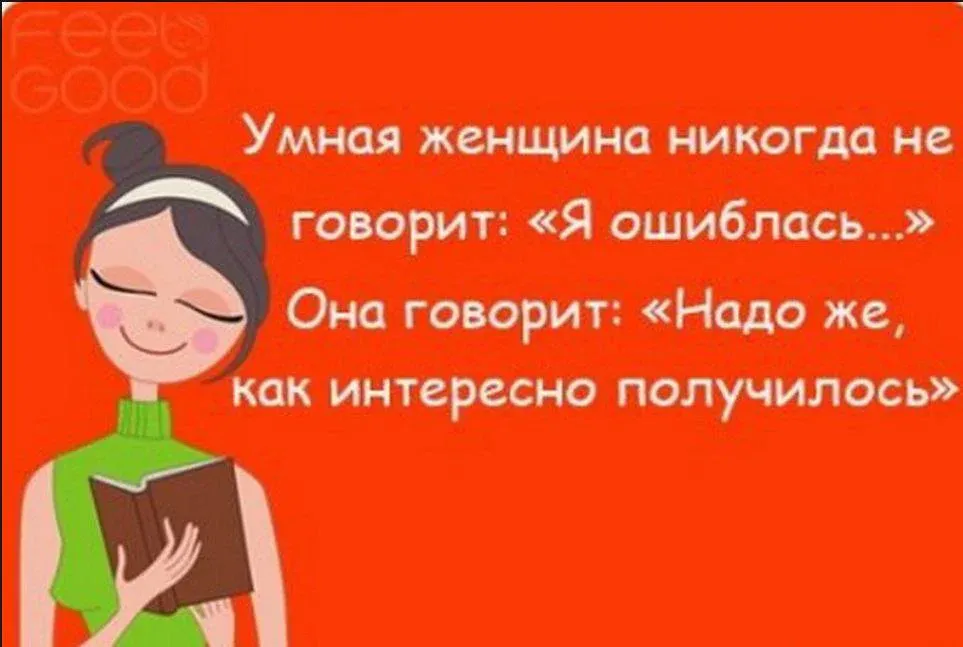
And finally, "На́до же!"
It can be used on its own or with intensifiers: "Ну на́до же"! "Э́то на́до же"!
You can also express what makes you surprised with the help of the conjunction "как":
"На́до же как лети́т вре́мя!" - Wow, time really flies!
Another sentence structure that you can use is "На́до же + бы́ло + infinitive", for example:
"На́до же бы́ло так оши́биться!" - I can't believe I (or someone else) made this mistake)!
Now what does this meaning have to do with a necessity ("на́до")?
I think a bit of fatalistic thinking is involved, which was typical of our ancestors. You can think of it as "I'm surprised this was meant to be /had to happen".
Did you know that context and repetition are two key things for learning new words? But how to avoid monotonous drills? Listen to songs and sing along! Check out, for example, this retro video of Alla Pugacheva performing her hit "На́до же".
Check out this video!
The lyrics are below. You are also welcome to explore our collection of Russian songs with literal translation to English in the Songs section.
Когда́-нибу́дь я ста́ну лу́чше
И мудре́е, чем тепе́рь,
И, ки́нув взгляд с высо́т
Уже́ проше́дших лет,
Как бу́дто о́сенью дождли́вой
На со́лнцем зали́тый апре́ль,
Пойму́, в чём сча́стья моего́ секре́т!
На́до же, на́до же, на́до ж
Тако́му случи́ться!
На́до же, на́до же, на́до ж
Так бы́ло влюби́ться!
На́до бы, на́до бы, на́до бы
Останови́ться!
Но не могу́, не могу́, не могу́, не могу́.
Не могу́ и не хочу́!
Когда́-нибу́дь я ста́ну про́ще,
Положи́тельной для всех.
Ничто́ меня́ так не встрево́жит, не смути́т.
На фотогра́фиях забы́тых,
Храня́щих мой весёлый смех,
Никто́ мое́й любви́ не разгляди́т.
На́до же, на́до же, на́до ж тако́му случи́ться!
На́до же, на́до же, на́до ж так бы́ло влюби́ться!
На́до бы, на́до бы, на́до бы останови́ться!
Но не могу́, не могу́, не могу́, не могу́,
Не могу́ и не хочу́!
На́до же, на́до же, на́до ж тако́му случи́ться!
На́до же, на́до же, на́до ж так бы́ло влюби́ться!
На́до бы, на́до бы, на́до бы останови́ться!
Но не могу́, не могу́, не могу́, не могу́,
Не могу́ и не хочу́!