And So One Night...
И вот однажды ночью...
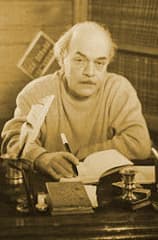
A poem about a nocturnal walk in which the author wanders aimlessly along the water’s edge and through abandoned parks. It is characterized by a soft, murmuring musicality that mirrors its semantic field: night, sea, singing trees, mist, and visions. Near rhymes and echoing sounds create a floating, fluid soundscape, while each return of the refrain resets the movement, reinforcing the poem’s wandering, aimless mood.
Children's Poem
Детское стихотворение

The poem reflects on the power of naming and recognition as acts that affirm existence, showing how language and attention bring both the world and the self fully into being.
Giraffe
Жираф
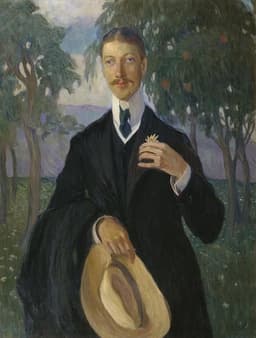
Gumilyov’s poem weaves together his fascination with the beauty and mystery of Africa and his wish to lift the spirits of the beloved he addresses. Against the grays and fogs of St Petersburg, his imagined Africa takes living form in the exquisite figure of a giraffe, a creature of grace and radiance.
I Won't Tell You Anything
Я тебе ничего не скажу

In this poem, the author contemplated the beauty of the world from two sides - the outer one, inspired by the charms of nature; and the inner one with love as its major incentive.
I've learned to live simply, wisely
Я научилась просто, мудро жить

Written in 1912, this poem belongs to Akhmatova’s early period and is often linked to the emotional turbulence of her relationship with her husband, the poet Nikolay Gumilyov. The poetic speaker seeks solace in nature and celebrates the wisdom of a quiet, orderly existence, gaining a newly sharpened way of sensing the world. In this seemingly modest routine lies a profound inner effort, transforming the loss of a loved one into spiritual balance and poetic clarity.
Night, City Lane, Streetlamp Drugstore
Ночь, улица, фонарь, аптека
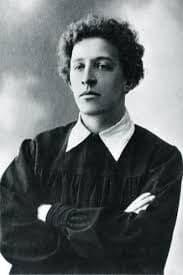
This poem expresses in short two stanzas a sense of the mingling of eternity with ennui. Eternity is not exalted but weary, transforming immortality into a form of quiet despair rather than transcendence.
No, It's Not You I Love So Fervently
Нет, не тебя так пылко я люблю
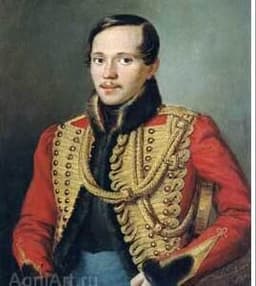
This poem is commonly regarded as an address to Lermontov’s cousin Ekaterina Bykhovets, with whom he maintained a tender friendship in the last year of his life. The poem also alludes to the poet’s first love Varvara Lopukhina whose marriage to a different man left him heartbroken.
Six Years Later
Шесть лет спустя
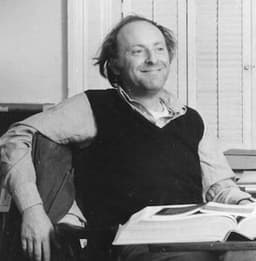
This page features Brodsky's poem Six Years Later along with a literal and a professional poetic translation into English. Listen to the rendition of the poem in Russian here. Click this link to hear American poet Richard Wilbur talking about translating Brodsky’s Six Years Later.
To a Poet
Поэту

Among other Pushkin’s poems reflecting upon the special role of a Poet in life, the following one is probably the most well-known. At the core of the poem lies an aristocratic and stoic conception of art: the poet is a sovereign (“You are a king”) who answers only to himself. Pushkin frames poetic creation as both a noble calling and a lonely one, defined by discipline, self-scrutiny, and indifference to public validation.
You Are Falling Asleep
Ты засыпаешь

You’re Falling Asleep is a gentle, intimate piece addressed to a beloved, guiding them through the quiet moments before sleep. The text blends tenderness with a sense of longing, softly promising reunion — “Мы скоро встретимся” (“We will meet soon”). Its rhythm mirrors the slow surrender to rest, creating a feeling of closeness and trust between the speaker and the listener.