Рассказ старого ковбоя

In the 1930's two Russian writers, Ilya Ilf and Yevgeny Petrov, toured the US as special correspondents for Pravda. In their travels across America they talked with local people and recorded their impressions and stories. Here the authors relate a story told to them by a local cowboy in the South West.
As you read, you can hover over any part of a sentence to see its English translation appear right above the line. After reading an excerpt and working out the meaning, read the same passage again without looking at the translation. This will help reinforce vocabulary, grammar patterns, and overall comprehension.
Прыжок
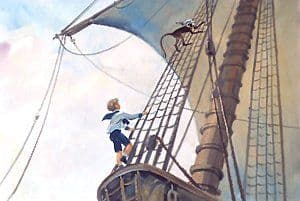
In this short story, Leo Tolstoy tells of a mischievous monkey and a boy aboard a ship, where a moment of fun leads to an unexpected test of courage.
Крот и яйцо
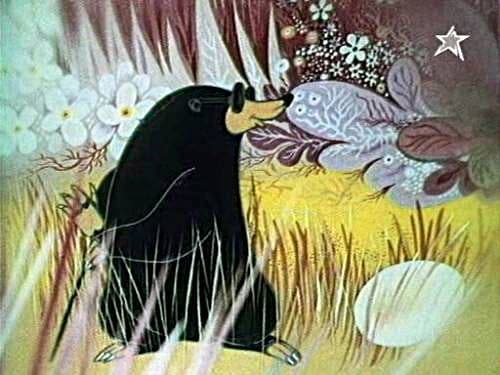
The Mole and the Egg, adapted into a short animated film, is a deceptively simple, thought-provoking work intended for an adult audience, with a shocking finale.
As you read, you can hover over any part of a sentence to see its English translation appear right above the line. After reading an excerpt and working out the meaning, read the same passage again without looking at the translation. This will help reinforce vocabulary, grammar patterns, and overall comprehension.
Переход
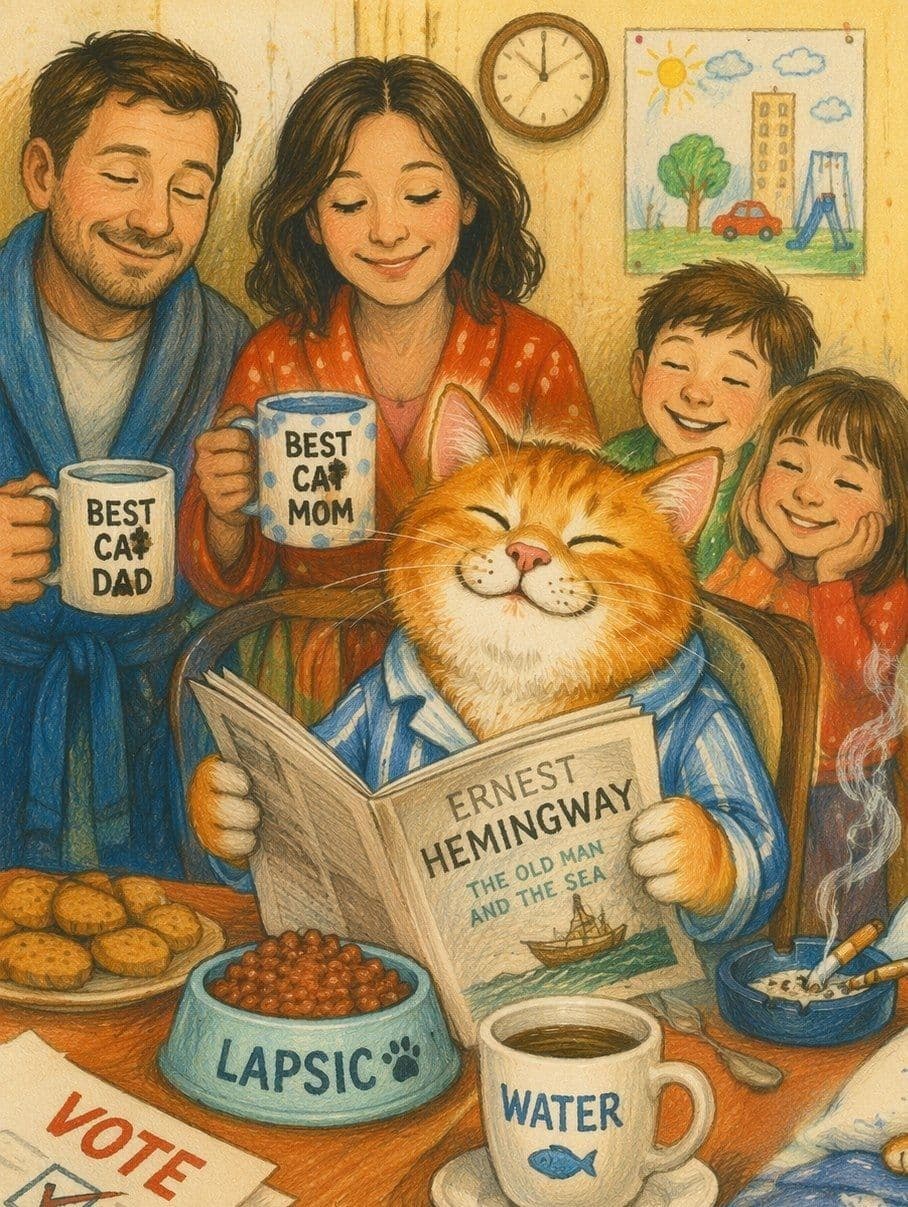
Every now and then, life presents an identity crisis. Lapsik the cat had a firm belief in his human identity - until the arrival of another cat shattered his worldview.
Белые чайники

White Teapots by the celebrated Russian writer and dramatist Lyudmila Petrushevskaya is a light, poetic tale that delights younger readers while offering older ones a sly reflection on taste, fashion, and how readily people surrender their own judgment to whatever happens to be admired at the moment.
As you read, you can hover over any part of a sentence to see its English translation appear right above the line. After reading an excerpt and working out the meaning, read the same passage again without looking at the translation. This will help reinforce vocabulary, grammar patterns, and overall comprehension.
Рыбья любовь
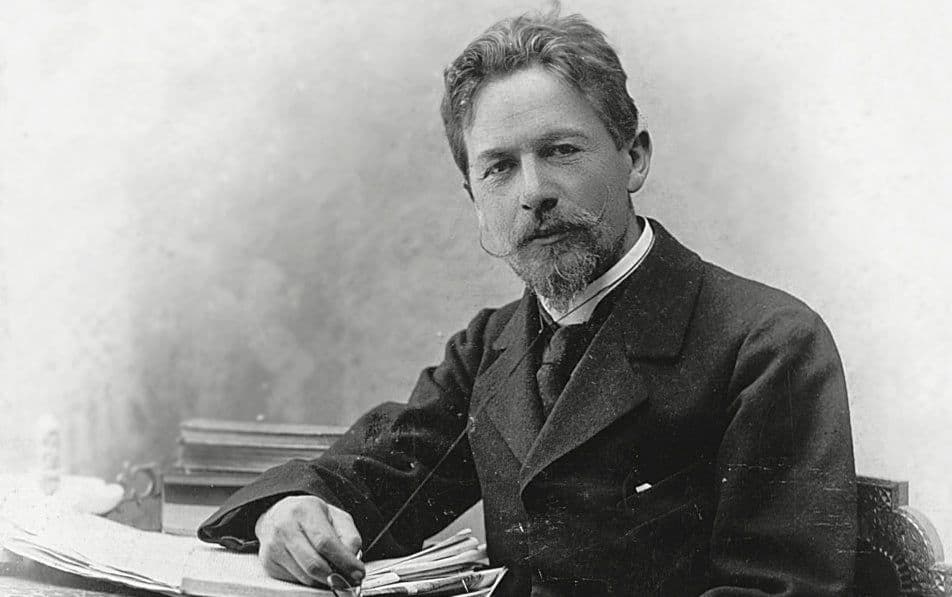
A Fish's Love is a humorous short story by Anton Chekhov written in 1892. The main character, a Carp living in a pond near General Pantalykin's dacha, is hopelessly in love with a young summer resident Sonya Mamochkina and one day decides to fall for her hook. Chekhov first published this story under the pseudonym "Man without a spleen".
As you read, you can hover over any part of a sentence to see its English translation appear right above the line. After reading an excerpt and working out the meaning, read the same passage again without looking at the translation. This will help reinforce vocabulary, grammar patterns, and overall comprehension.
Старик в станционном буфете
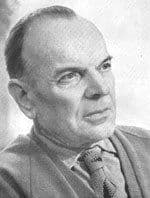
An Old Man in The Station Buffet is a chapter from The Golden Rose, a collection of stories the author called "notes about my understanding of the nature of literary writing and my experience."
As you read, you can hover over any part of a sentence to see its English translation appear right above the line. After reading an excerpt and working out the meaning, read the same passage again without looking at the translation. This will help reinforce vocabulary, grammar patterns, and overall comprehension.
Специалист

The Expert is a satirical sketch about a man who fancies himself an expert in everything, confidently claiming knowledge of medicine, electrical work, and even piano tuning and hairdressing. Using his characteristic humor and touches of the grotesque, Averchenko reveals how easily confidence can replace true competence.
As you read, you can hover over any part of a sentence to see its English translation appear right above the line. After reading an excerpt and working out the meaning, read the same passage again without looking at the translation. This will help reinforce vocabulary, grammar patterns, and overall comprehension.